Cryotherapy Near You — Benefits, Costs, and What to Expect
Cryotherapy is a short, controlled exposure to very cold temperatures used in many wellness centers. People turn to it for potential relief from inflammation, reduced pain, faster recovery and an overall boost in wellbeing. Below, we break down the main benefits, typical costs, and what a session feels like so you can decide whether to try cryotherapy as part of your wellness routine.
Scientific and clinical work points to clear uses for whole‑body cryotherapy, especially when addressing pain and inflammation.
Whole-Body Cryotherapy: Pain Relief, Inflammation, and Recovery
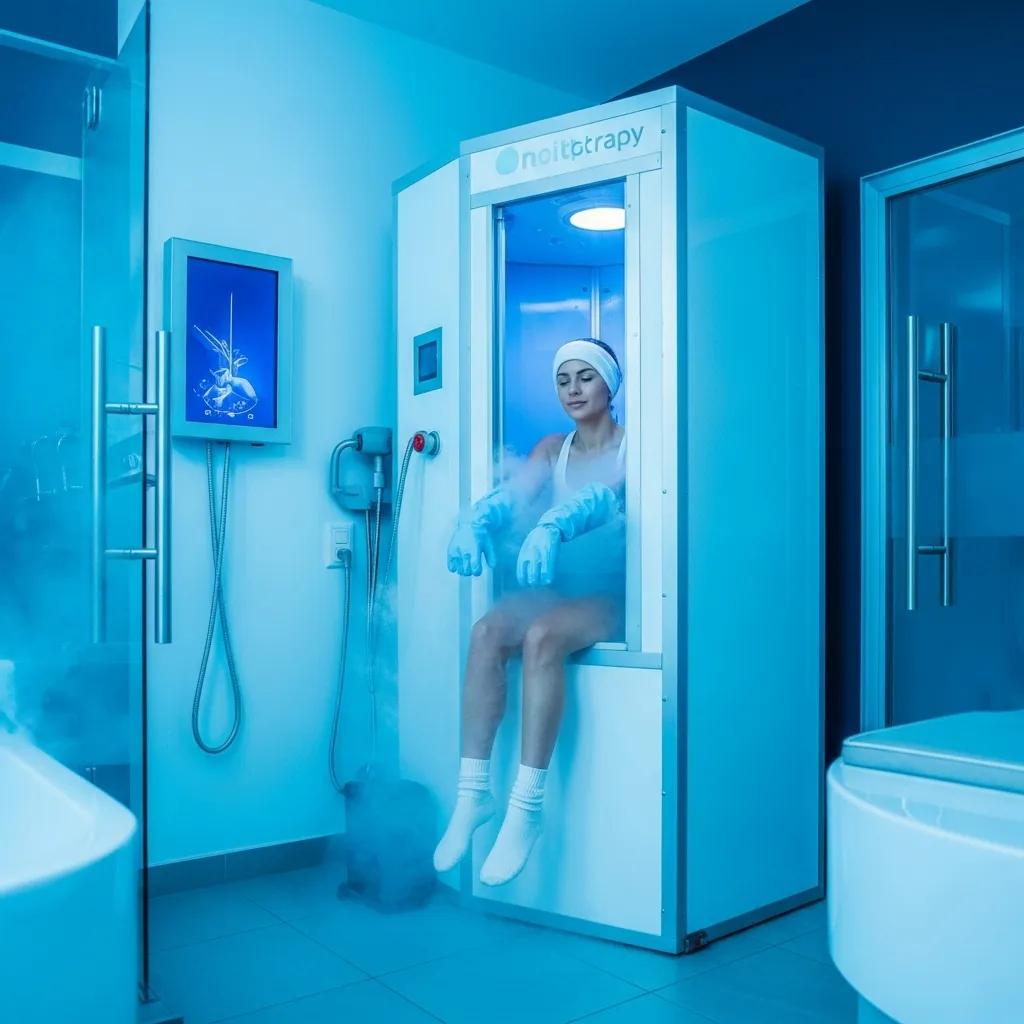
Cold therapy is commonly used as a procedure to relieve pain symptoms, particularly in inflammatory diseases, injuries and overuse symptoms. A peculiar form of cold therapy (or stimulation) was proposed 30 years ago for the treatment of rheumatic diseases. The therapy, called whole-body cryotherapy (WBC), consists of exposure to very cold air that is maintained at −110°C to −140°C in special temperature-controlled cryochambers, generally for 2 minutes. WBC is used to relieve pain and inflammatory symptoms caused by numerous disorders, particularly those associated with rheumatic conditions, and is recommended for the treatment of arthritis, fibromyalgia and ankylosing spondylitis. In sports medicine, WBC has gained wider acceptance as a method to improve recovery from muscle injury.
Whole-body cryotherapy in athletes, G Lombardi, 2010
Key Benefits for Longevity and Metabolic Health
Cryotherapy may support overall health in several ways. Short cold exposures can boost circulation and help reduce inflammation, which often translates to better recovery and more consistent energy. Some people notice improved hormone balance after repeated sessions, though effects vary. There’s early evidence that cold exposure can also stimulate collagen-related processes, which might help skin tone and texture—however, long-term anti‑aging benefits still need more study.
Recent research also shows reductions in systemic inflammation after whole‑body cryotherapy, even among otherwise healthy adults — a promising sign for metabolic health.
Whole-Body Cryotherapy Reduces Inflammation in Healthy Adults
Background:Chronically elevated inflammation is implicated in many conditions, including obesity, metabolic syndrome, and cardiovascular disease, and has been associated with increased mortality risk. Whole-body cryotherapy (W-BC) is a promising modality to treat inflammation with demonstrated benefits for clinical subpopulations including those with arthritis, obesity, and type 2 diabetes. However, it is unclear whether the benefit from W-BC extends to healthy individuals prior to chronic disease–related inflammation.
Whole-Body Cryotherapy Reduces Systemic Inflammation in Healthy Adults: Pilot Cohort Study, E Chun, 2024
How Whole-Body Cryotherapy Affects Hormones and Skin
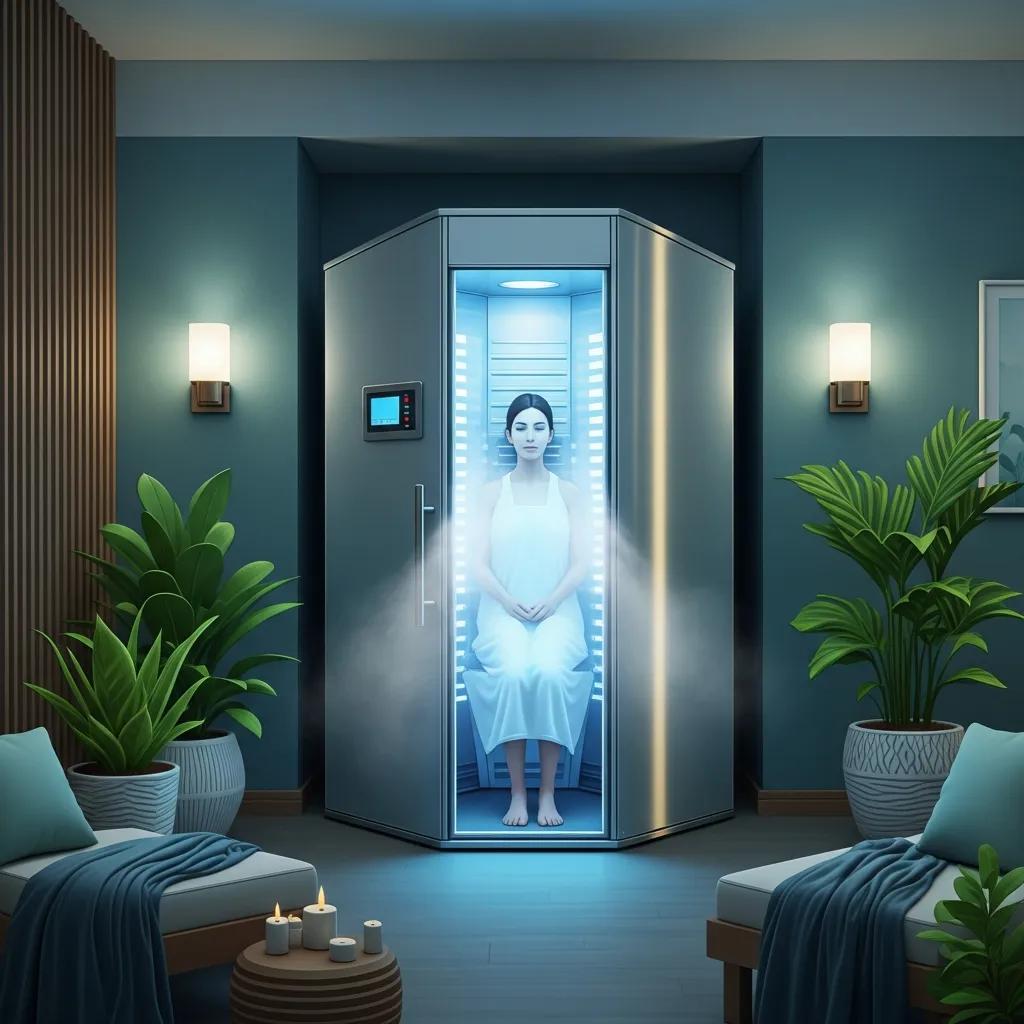
When your body is exposed to extreme cold, it reacts by releasing endorphins and shifting stress hormones like cortisol and adrenaline. For many people this produces a clearer mood and reduced stress after a session. Cold exposure may also promote processes linked to collagen production, which can improve skin elasticity and feel—though results vary and more research is needed to confirm lasting cosmetic effects.
Cold-water immersion and other cold-exposure methods show similar benefits for mood, recovery and inflammation, reinforcing what we see with cryotherapy in practice.
Cold Water Therapy: Health Benefits for Mood, Recovery, and Inflammation
Deliberate exposure of the body to cold water results in distinct physiological responses that may be linked to several health benefits. Evidence, primarily from small interventional studies, suggests that cold water therapy positively impacts cardiometabolic risk factors, stimulates brown adipose tissue and promotes energy expenditure—potentially reducing the risk of cardiometabolic diseases. It also triggers the release of stress hormones, catecholamines and endorphins, enhancing alertness and elevating mood, which may alleviate mental health conditions. Cold water therapy also reduces inflammation, boosts the immune system, promotes sleep and enhances recovery following exercise.
The untapped potential of cold water therapy as part of a lifestyle intervention for promoting healthy aging, SK Kunutsor, 2025
Costs and Membership Options
Prices vary by type of service and location. Typical rates for whole‑body cryotherapy fall between $40 and $80 per session; localized treatments usually run $20 to $50. Many studios offer memberships or packages that lower the per‑session cost and include perks like priority booking or bundled services.
Typical Prices for Whole-Body and Local Cryotherapy
Below is a quick comparison of common pricing you’ll find at clinics and wellness centers:
This table highlights the typical cost differences and the savings you can access through membership plans or multi‑session packages.
How Memberships Improve Access
Memberships make regular cryotherapy more affordable and convenient. Most plans reduce per‑session costs, offer priority scheduling, and include occasional promos or complimentary add‑ons. Regular use tends to deliver the clearest benefits, so memberships can make sense if you plan to include cryotherapy in your routine.
What to Expect During a Local Cryotherapy Session
Knowing the flow of a session often eases nerves. Typical sessions last about 2 to 4 minutes, with the chamber reaching temperatures between -200°F and -300°F (-129°C to -184°C). You’ll usually wear minimal clothing plus protective gloves and socks to guard sensitive areas. Most people describe the experience as brisk and invigorating, often followed by a noticeable lift in energy and mood.
How Long Is a Session?
Sessions are short — roughly 2 to 4 minutes — which is enough to trigger the body’s natural responses without causing harm. Exact timing depends on your tolerance and the type of cryotherapy used.
Step-by-Step: What Happens During Treatment
The typical cryotherapy workflow includes:
- Preparation: You’ll change into the recommended attire and remove jewelry or wet clothing. Staff will review safety checks and any health concerns.
- Session: You step into the chamber and the technician runs the timed cold exposure while monitoring your safety.
- Post-Session Care: Afterward, you’ll be encouraged to hydrate and may get suggestions for follow-up sessions or complementary recovery practices.
This routine keeps sessions safe, predictable, and easy to fit into a regular wellness plan.
Safety, Side Effects, and Who Should Avoid Cryotherapy

Cryotherapy is generally safe for most people when performed by trained staff, but it can cause mild, temporary effects. Common reactions include short-lived redness, tingling or numbness. Always disclose any existing medical conditions to your provider so they can confirm whether cryotherapy is appropriate for you.
Common Side Effects and Management
Typical, manageable side effects include:
- Redness: Skin may look flushed after treatment; this usually fades quickly.
- Tingling: A prickly or tingling sensation during and shortly after the session is common and typically subsides fast.
- Numbness: Brief numbness in exposed areas can occur but should resolve soon after the session ends.
These effects are usually mild and short lived. Staff will monitor you and advise on any follow‑up care if needed.
Is Cryotherapy Right for Everyone?
Not everyone should use cryotherapy. People with certain conditions — such as cold hypersensitivity, serious cardiovascular problems, uncontrolled hypertension, or pregnancy — should speak with a healthcare professional before booking a session. A pre‑screen ensures your safety and helps you get the most benefit from the treatment.