- Injectables
- Skin Rejuvenation
- Hair Restoration
- Hormone Replacement Therapy
- Functional Medicine
- Peptide Therapy
- BPC 157
- CJC 1295 Ipamorelin
- Cortisol Management
- Delta Sleep DSIP
- Epitalon
- GLP 1 Support Stack
- Glutathione
- Glow Stack
- Gut Repair IBD
- Hormone Optimization
- Insulin Shield
- Klow Stack
- KPV Peptide
- KPV Peptide
- Migraine Neuralgia
- MOTS-c
- NAD+
- Neuro Recovery
- Post Medication Reset
- Semax
- Sermorelin
- Structural Repair Stack
- TB-500
- Tesamorelin
- The CNS Recovery
- The Cognitive Edge
- The Deep Sleep Reset
- The Joint Insurance
- The Morning Spark
- The Skin And Glow
- The Social Flow
- The Telomere Protocol
- Wolverine Stack
- IV Therapy
- Fitness + Performance
- Recovery
Peptide Therapy for Weight Loss: How It Works and What Results to Expect
Peptide therapy is an emerging, experimental approach to weight loss that works with your body’s own systems to support metabolic health and reduce body fat. Below, we break down how peptide therapy works, what kinds of results people commonly see, and which peptides are most often used for weight management. Many people struggle with stubborn weight because of hormonal or metabolic issues — peptide therapy aims to address those root drivers. We’ll cover the potential benefits, the current clinical evidence, safety considerations, and how to begin peptide treatment at Eden Health Clubs.
What Is Peptide Therapy and How Does It Promote Weight Loss?
Peptide therapy uses specific peptides — short chains of amino acids — that act as signals in the body to influence metabolism, appetite, and tissue repair. By nudging these biological processes, certain peptides can help increase fat burning and support lean muscle, especially when combined with nutrition and exercise. Integrated into a personalized wellness plan, peptide therapy can be one tool to help you reach weight-loss goals while also supporting overall metabolic health.
How Do Weight Loss Peptides Affect Metabolic Health?
Weight loss peptides can support metabolic health in two main ways: helping the body burn fat more efficiently and helping regulate appetite. Some peptides stimulate hormone pathways that boost fat oxidation and reduce hunger signals, which can make it easier to maintain a calorie deficit. Others improve insulin sensitivity, which helps the body use carbohydrates more effectively and supports long-term weight management.
Beyond these general mechanisms, certain classes of peptides — notably GLP-1 receptor agonists — have shown meaningful results in clinical trials for weight loss.
GLP-1 Agonists: Effective Weight Loss Therapy
Glucagon-like peptide-1 receptor agonists (GLP-1 RAs) have emerged as effective therapies that achieve substantial weight loss and improve cardiometabolic risk. Liraglutide achieves a mean weight loss of 4–7 kg, and more than 50% of treated individuals achieve 5% or more weight loss. Semaglutide has a greater impact on weight loss, with a mean weight loss of 9–16 kg, and more than 50% of treated individuals achieve 10–15% or more weight loss. These results led to regulatory approval of these agents for weight loss in individuals with obesity, regardless of diabetes status.
Glucagon-like peptide 1 receptor agonists: a medication for obesity management, MB Taha, 2022
Which Peptides Are Most Effective for Fat Loss?
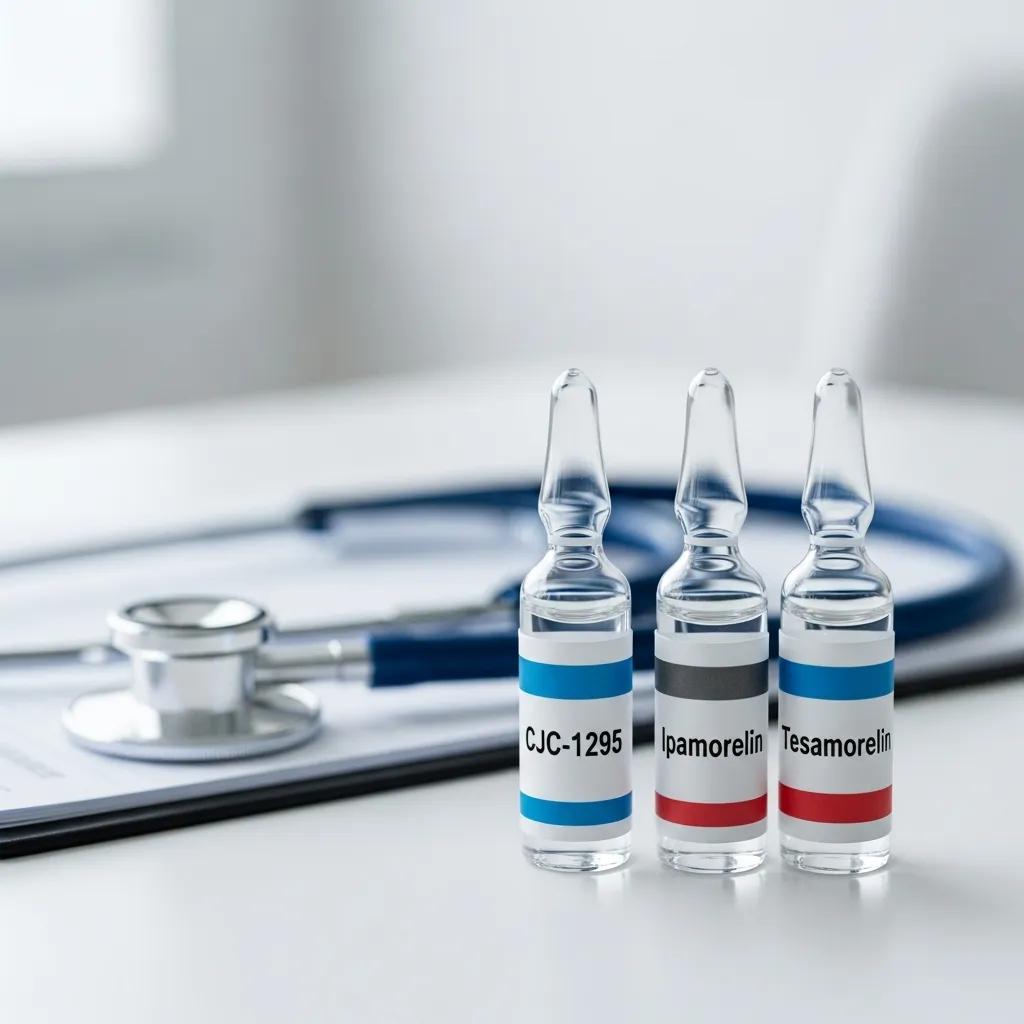
Researchers and clinicians have focused on a handful of peptides for their potential in reducing fat and improving body composition. Commonly discussed options include CJC-1295, Ipamorelin, and Tesamorelin.
- CJC-1295: Stimulates growth hormone release, which can support fat metabolism and lean mass preservation.
- Ipamorelin: A growth-hormone–releasing peptide that raises growth hormone with minimal cortisol effects — useful for promoting fat loss while protecting muscle.
- Tesamorelin: FDA-approved for reducing excess abdominal fat in people with HIV-associated lipodystrophy; shown to lower visceral fat and improve body composition in that population.
When used under a clinician’s guidance and as part of a broader wellness plan, these peptides can contribute to weight-loss efforts.
Ongoing research further explores how combinations like CJC-1295 and Ipamorelin may affect metabolic regulation.
CJC-1295 & Ipamorelin for Metabolic Regulation
Interest in peptide combinations has grown as scientists study their physiological effects. CJC-1295 and Ipamorelin — both growth-hormone secretagogues — have attracted attention for potential complementary actions. Current discussions and preliminary studies consider their individual mechanisms and possible synergistic benefits, particularly in metabolic research.
CJC-1295 and Ipamorelin Blend: A Speculative Approach to Peptide Research
What Are the Benefits and Expected Results of Peptide Therapy?
Peptide therapy can offer several potential benefits for people focused on weight loss and metabolic health. Typical outcomes reported in clinical and anecdotal settings include increased fat loss, improved muscle tone, and better metabolic markers — especially when therapy is paired with healthy eating and regular exercise.
- Enhanced Fat Loss: Certain peptides can accelerate pathways that support fat breakdown and use.
- Improved Muscle Tone: By supporting growth-hormone–related processes, peptides can help maintain or increase lean mass for a more toned appearance.
- Better Metabolic Health: Some peptides improve insulin sensitivity and help rebalance hormones involved in appetite and energy regulation.
How Does Peptide Therapy Support Hormone Balance and Anti-Aging?
Peptide therapy can help normalize hormones that govern metabolism, appetite, and energy. That hormonal support may aid weight loss and also contribute to broader restorative effects — improved energy, healthier skin, and cellular repair are commonly reported by patients. While not a cure-all, peptide-driven hormonal optimization can be part of an anti-aging and wellness strategy when supervised by a clinician.
What Clinical Evidence Supports Peptide Therapy for Weight Loss?
Clinical data show that peptides like CJC-1295 and Ipamorelin can raise growth hormone levels, which in turn may reduce body fat and improve muscle mass in some people. Tesamorelin has proven efficacy for reducing visceral adipose tissue in select populations (for example, people with HIV-associated lipodystrophy). That said, broader, long-term studies are still needed to fully define safety and effectiveness for general weight-loss use.
What Are the Safety Considerations and Side Effects of Peptide Therapy?
Peptide therapy is typically considered safe when prescribed and monitored by a qualified medical professional. Still, it’s important to understand potential risks and follow a proper evaluation before starting treatment.
- Safety Assessments: A full medical assessment helps determine whether peptide therapy is appropriate for you.
- Consultation Importance: Working with a clinician ensures therapy is tailored to your health profile and goals, reducing risk.
- General Safety Guidelines: Adhering to prescribed dosages and ongoing monitoring helps detect and address adverse reactions early.
Are Weight Loss Peptides Safe to Use?
Under medical supervision, weight loss peptides are generally well tolerated. Most people experience few serious side effects, but candid conversations about your medical history, medications, and expectations are essential before starting therapy.
What Side Effects Should Patients Expect?
Common, usually mild side effects include brief injection-site irritation, headaches, or nausea. These reactions are often temporary. Your clinician will review possible side effects during the consultation so you know what to expect and how to respond.
How Can You Get Started with Peptide Therapy at Eden Health Clubs?
Beginning peptide therapy at Eden Health Clubs follows a clear, personalized path to help ensure safe, effective care and measurable progress.
- Initial Consultation Process: In your first appointment, a clinician reviews your medical history, goals, and baseline labs to determine the right approach.
- Personalized Treatment Plans: We design a peptide protocol tailored to your needs — dosing, timing, and supportive lifestyle recommendations are included.
- Membership Benefits: Eden Health Clubs members gain access to ongoing coaching, nutrition support, fitness classes, and follow-up care to help sustain long-term results.
What Does the Consultation and Personalized Protocol Involve?
Your consultation includes a comprehensive health and lifestyle evaluation to build a personalized protocol aligned with your weight-loss goals. Regular follow-ups allow your care team to track progress and adjust the plan for safety and effectiveness.
What Membership Benefits Support Long-Term Weight Loss Success?
Eden Health Clubs offers membership resources designed to support sustainable results: guided fitness programs, nutrition counseling, and ongoing clinical oversight. Combining peptide therapy with these resources helps increase the chance of lasting, healthy change.